Number 3 Autumn Monogram Review
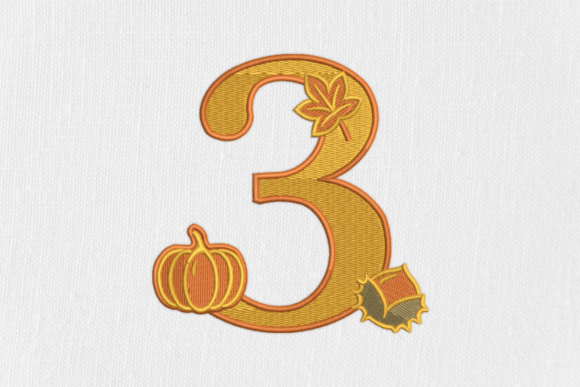
As an experienced embroidery designer who spends countless weekends prepping for craft fairs and handmade markets, I know that the difference between a design that sits on a shelf and one that sells out is often in the details. When I first laid eyes on the Number 3 Autumn Monogram, I immediately started visualizing it not just as a digital file, but as a tangible product hanging on a display rack or sitting on a table covered with burlap. The description promises a seamless combination of autumn leaves and pumpkins, which suggests a perfect blend of rustic charm and seasonal festivity. But does it hold up under the bright lights of a booth? Can it compete with other machine embroidery designs vying for a customer's attention?
The First Impression: Farmhouse Meets Modern
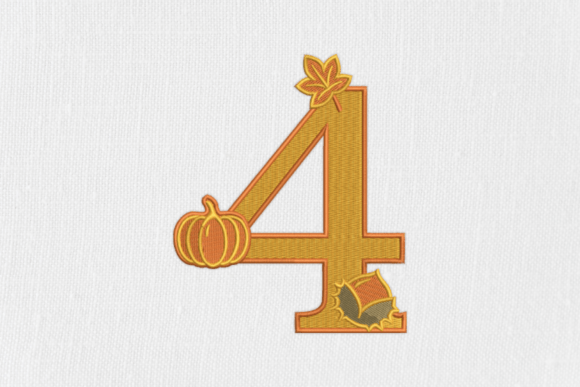
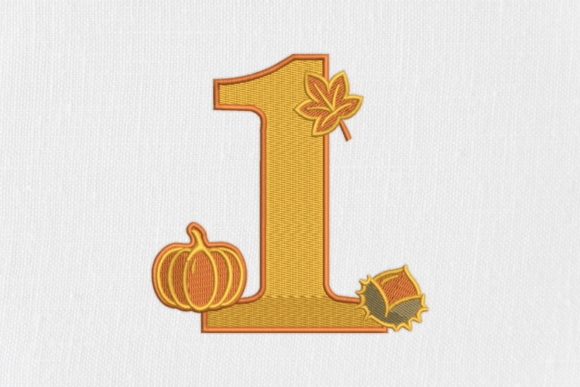
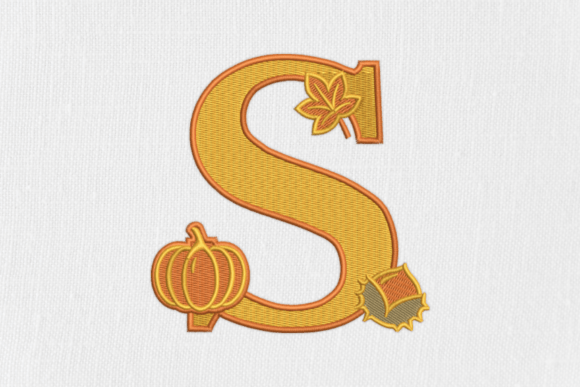
From a design perspective, the Number 3 Autumn Monogram strikes a balance that is highly coveted by Etsy sellers and boutique makers right now. It feels less like a generic clip-art image and more like a premium, hand-crafted element. The inclusion of the number three alongside the monogram style suggests a personalized touch that resonates deeply with buyers looking for unique handmade products. Whether you are aiming for a farmhouse aesthetic or a modern minimalist look, this design adapts well. It has the potential to be bold enough to serve as a focal point on a large item, yet delicate enough to act as a subtle accent on smaller goods.
When I imagine this design at a craft fair, I see it standing out against neutral backgrounds. The promise of "stunning" fall colors implies that the thread colors used in the final production will pop, drawing the eye from across the aisle. For a market where customers make snap decisions based on visual appeal, having a design that looks polished and high-quality is essential. This embroidery file seems to offer that immediate sense of value, making it a strong candidate for boosting your brand consistency.
Product Potential: Where Number 3 Autumn Monogram Shines
In my experience, the versatility of a design determines its commercial viability. The Number 3 Autumn Monogram is not limited to a single use case; it is a true workhorse for various commercial embroidery projects. Here is how I would deploy it across a typical craft fair inventory:
- Tote Bag Design: A tote bag is the quintessential craft fair product. Placing the Number 3 Autumn Monogram on the front pocket or centered on the main body creates an instant statement piece. The autumn theme pairs perfectly with canvas or denim, creating a durable and stylish accessory that shoppers love.
- Apron Embroidery: Kitchen items are perennial best-sellers in the fall. On a linen apron, this design adds a touch of elegance to a utilitarian item. It transforms a simple kitchen tool into a giftable handmade gift that feels personal and thoughtful.
- Tea Towel Embroidery: Similar to aprons, tea towels benefit from a clean, centered design. The Number 3 Autumn Monogram works beautifully here, offering a decorative element that elevates the perceived value of the towel.
- Embroidered Patch: If you want to diversify your offerings, turning this design into a sew-on patch allows for creative applications on hats, jackets, or bags. Patches are excellent for upselling and can be produced quickly in batches.
- Fabric Pouches and Market Bags: Small pouches are great impulse buys. A smaller version of the design can fit neatly on a drawstring bag, serving as a functional yet fashionable item for carrying small essentials.
- Pillow Covers: For a higher price point, pillow covers allow for larger hoop sizes. The detailed leaves and pumpkins described would look spectacular here, adding warmth to home decor displays.
Additionally, for those selling digital assets, creating a printable mockup of the Number 3 Autumn Monogram on these various products is crucial. High-quality images help online buyers visualize the finished product, bridging the gap between a digital download and a physical reality.
Production Realities and Practical Selling Points
While the aesthetic appeal is clear, a successful small shop product relies on practical execution. One of the most critical aspects of the Number 3 Autumn Monogram is how it photographs. In the world of online sales, your listing photos are your storefront. Does the design have enough contrast to stand out in a thumbnail? Is it clear enough to show texture without being overwhelming? The description hints at a "spectacular" look, which suggests it should photograph well, but you must verify this by creating at least one real mockup.
For batch production, repeatability is key. If the design is too complex or requires excessive trimming, it will slow down your workflow and eat into your profit margins. I recommend testing the Number 3 Autumn Monogram to ensure it maintains clarity when stitched repeatedly. It should feel consistent whether you are making one custom order or fifty for a holiday market.
Careful Use Notes: Avoiding Common Pitfalls
Even the best digital embroidery files can fail if the production environment isn't right. As a designer reviewing this for market readiness, I urge caution in the following areas:
- Dense Stitch Areas: Designs featuring leaves and pumpkins often have dense stitching. If the stitch density is too high, it can cause fabric puckering, especially on lightweight materials. Always check the density before committing to a full run.
- Small Details and Lettering: The "Number 3" and any accompanying text must remain legible. If you scale the design down too much for a small item like a cap or a tiny pouch, the details may blur or disappear. Ensure the hoop size matches the design requirements to preserve clarity.
- Fabric Texture: Textured towels or thick fabrics can hide fine stitches. Test your design on the actual fabric you intend to sell to ensure the thread colors provide sufficient contrast against the background material.
- Curved Surfaces: Embroidering on caps requires specific techniques. The curvature of a hat can distort a design intended for flat surfaces. You may need to adjust the digitization or use a specific cap frame to keep the Number 3 Autumn Monogram looking professional.
- Dark Fabric: If you plan to embroider on dark fabrics, ensure there is a sufficient underlay or that the thread coverage is heavy enough to prevent the base color from showing through.
Designer's Checklist for Success
To maximize the impact of the Number 3 Autumn Monogram in your business, follow these essential steps before hitting the sale floor:
- Test on Scrap Fabric: Never skip this step. Run the design on scraps to check for tension issues and thread breaks.
- Review Spacing and Hoop Size: Confirm that your machine's hoop size accommodates the design without cutting off elements. Proper spacing ensures the design doesn't get lost on the garment.
- Inspect Stitch Density: Look closely at the finished sample. Are there gaps? Is the fabric distorted? Adjust your settings if necessary.
- Use the Right Stabilizer: The choice of stabilizer is just as important as the design itself. For travel-friendly items like bags, a cut-away stabilizer might be needed for durability, while tear-away could suffice for lighter home decor.
- Confirm Commercial Licensing: Before selling any finished products made from this embroidery design, double-check the license terms. Ensure you have the rights to produce and sell the finished product commercially.
Ultimately, the Number 3 Autumn Monogram has the makings of a standout addition to any travel or embroidery collection tailored for the fall season. It combines the cozy nostalgia of harvest time with the clean lines of a monogram, making it versatile enough for a wide range of customers. By paying attention to production details and showcasing the design effectively in your booth or online listings, you can turn this digital asset into a profitable reality. Whether you are a seasoned Etsy seller or a creative entrepreneur launching your first booth, this design offers a solid foundation for building a brand that feels authentic and high-quality.