Locket Monogram: A Designer's Review for Real Projects
As an embroidery designer who spends countless hours testing digital files before they ever touch a hoop, I approach every new download with a mix of excitement and skepticism. When I first encountered Locket Monogram on Creative Fabrica, I wasn't just looking for another decorative element; I needed a versatile piece that could elevate a handmade product from a simple craft project to a boutique-quality item. This review is based on my evaluation of the design for real-world applications, specifically considering its potential for commercial embroidery projects, personalized gifts, and seasonal collections.
First Impressions: Visual Mood and Design Personality
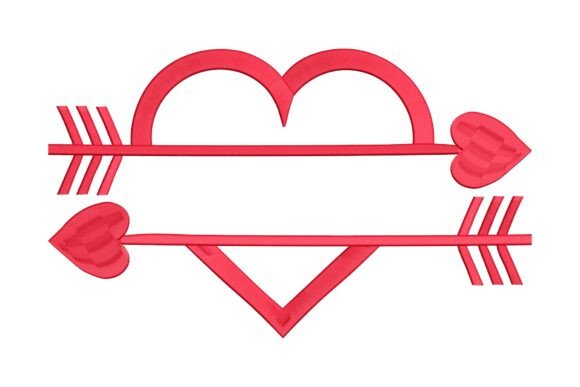
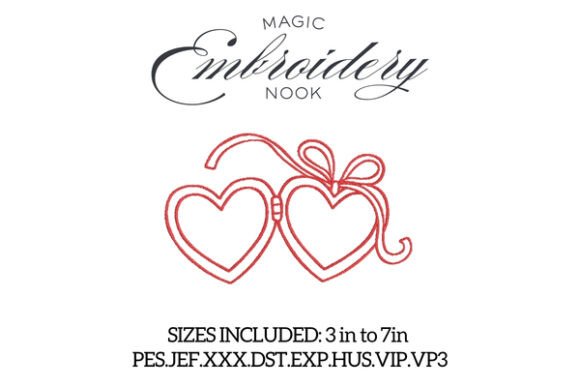
The moment I opened the file, the visual mood of Locket Monogram struck me as both elegant and inviting. Unlike many monogram designs that feel stiff or overly geometric, this piece has a fluid, artistic quality that suggests a handcrafted origin. The layout mimics the shape of a classic locket, providing a natural frame for the lettering while maintaining a sense of movement. It feels polished enough for high-end home décor yet accessible enough for casual apparel.
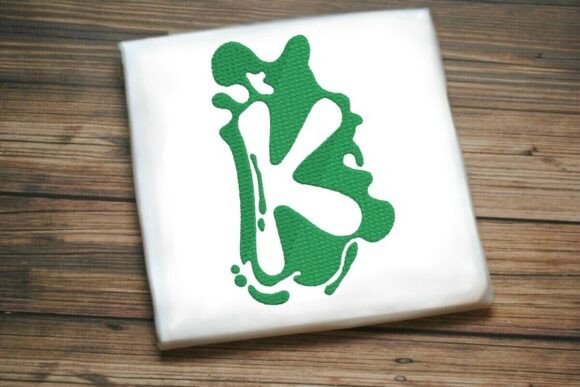
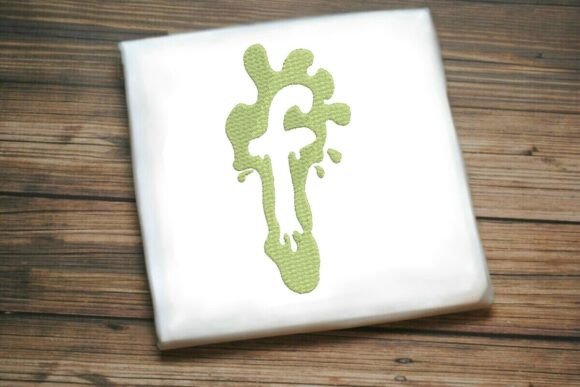
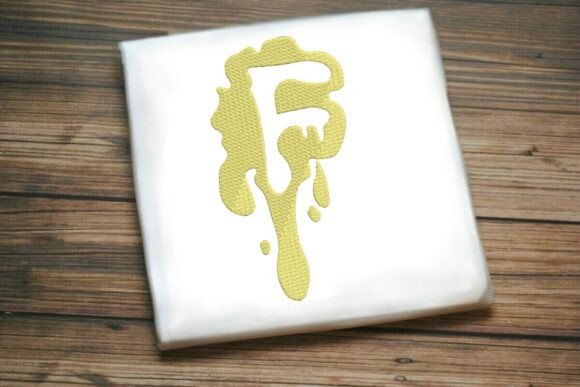
From a design perspective, the detail level is impressive without being overwhelming. The decorative elements surrounding the letters are subtle, adding texture and interest without competing with the typography. For a designer like myself, this balance is crucial. It allows the monogram to serve as a focal point on items like kitchen towels or tote bags without looking cluttered. The artistic nature of the design makes it particularly well-suited for Valentine's Day collections, where the romantic connotation of a "locket" pairs perfectly with the sentiment of giving a personalized gift.
Performance in Real Embroidery Work
I put Locket Monogram through a series of tests simulating actual customer orders. My goal was to see how it would perform across different mediums, from stretchy sweatshirt fabric to structured canvas tote bags. In general, the design held up remarkably well. The stitch distribution appears logical, which often prevents puckering—a common issue when working with dense fill areas.
When applied to custom apparel, such as a baby blanket or a nursery pillow cover, the design exudes a soft, professional finish. The satin stitches used for the outline give the edges a crisp definition, while the fill stitches create a smooth, luxurious surface. However, the success of the final product depends heavily on your choice of thread colors and the stability of the base fabric. On dark fabrics, the contrast is key; lighter thread colors will make the intricate details pop, whereas dark threads might get lost if the design density is too low.
For Etsy sellers and small business owners, the versatility of this design is a major asset. It translates beautifully into embroidered patches, provided you use the correct stabilizer and backing. I also tested it on a cap, but the curved surface presented a challenge. While the design is adaptable, the tight curves of a baseball cap require careful digitizing adjustments to ensure the text doesn't distort. If you are planning to sell caps, I recommend checking the specific hoop size limitations mentioned in the product details before committing to a large batch order.
Practical Considerations for Small Hoops and Dense Stitches
One of the most critical aspects of using any embroidery file is understanding its physical constraints. Locket Monogram features some small lettering and detailed decorative flourishes that demand attention. If you are working with a small hoop size, these tiny details can sometimes become difficult to read or may even break down during the stitching process.
Before running a full production run, I strongly advise testing the design on scrap fabric. Pay close attention to the stitch density in the central area. High-density areas on stretchy fabrics, like jersey or knit blends, can cause the material to pucker significantly if not properly stabilized. Using a cut-away stabilizer is often necessary for these types of projects to maintain the structural integrity of the embroidery over time.
Another practical note involves the texture of the fabric. On textured materials like terry cloth kitchen towels or thick denim, the needle penetration can be inconsistent. You may need to adjust your tension or use a top stabilizer to ensure the machine embroidery design lays flat against the surface. Additionally, always inspect the finished product under bright light to catch any skipped stitches or loose threads, especially around the fine lines of the locket frame.
Impact on Product Value and Brand Consistency
In the world of handmade goods, visual appeal directly correlates with perceived value. A well-executed Locket Monogram on a tote bag or apron signals to the buyer that care and precision went into the creation of the item. This level of polish builds trust and encourages customers to return for future purchases. For craft fair products and boutique merchandise, having a cohesive look is essential.
This design offers excellent opportunities for brand consistency. Because of its artistic style, it works well as a signature element for a creative entrepreneur's shop. Whether you are creating printable mockups for online listings or photographing finished products for social media, the clean lines and elegant shape of the monogram provide a strong visual anchor. It elevates the presentation of the item, making it feel more like a premium gift than a mass-produced commodity.
Furthermore, the design's adaptability allows for creative storytelling. You can use it to create a series of matching items—a set of kitchen towels paired with a matching apron and a wall hanging. This kind of coordination increases the average order value for Etsy sellers and adds depth to your product line. The emotional connection buyers feel toward personalized gifts is amplified when the craftsmanship is evident, and Locket Monogram delivers on that front.
Essential Tips for Success
To get the most out of this digital embroidery file, there are a few best practices you should follow. First, always confirm the file details and licensing terms on the Creative Fabrica product page. Understanding whether you have the rights to sell finished items is vital for commercial embroidery projects.
Second, experiment with thread colors to find the perfect contrast. A metallic thread can add a touch of luxury to the locket frame, while a matte cotton thread keeps it rustic and cozy. Third, review the stitch density settings in your embroidery software. If the design feels too heavy for your chosen fabric, consider adjusting the density slightly to improve the drape and reduce stiffness.
Finally, don't skip the test run. Stitch the design on a scrap piece of the same fabric you plan to use for the final product. Check the registration marks, ensure the lettering is legible, and verify that the stitch density looks good after washing. These small steps can save you from costly mistakes and ensure that every handmade product you release meets the highest standards of quality.
In conclusion, Locket Monogram is a thoughtful addition to any library of design assets. Its blend of artistic flair and technical functionality makes it a reliable choice for everything from baby blankets to professional commercial embroidery. By taking the time to test and refine your application, you can transform this simple file into a standout feature of your next collection.